
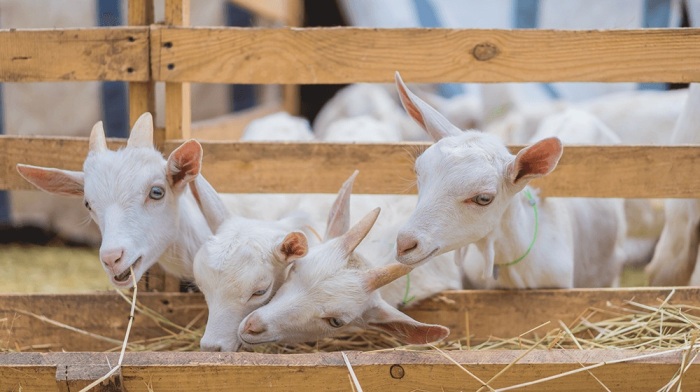
Goat farming in India is a long-established agricultural practice that supports millions of rural households and contributes significantly to the rural economy. Beyond everyday meat and dairy production, Bakri Eid (Eid-ul-Azha) has emerged as a major seasonal economic opportunity that transforms goat rearing into a powerful industry, especially in northern, central, and western India. The annual festival creates concentrated demand for live goats, boosting incomes for farmers, traders, transporters, and associated service providers across the supply chain.
📌 What Is Commercial Goat Farming?
Commercial goat farming is the organized rearing and management of goats with the objective of selling them for meat (mutton) production, live animal markets, breeding stock, or dairy. Unlike small-holder traditional flocks, commercial operations involve planned breeding, improved feed programmes, healthcare, and marketing strategies to improve productivity and profitability.
Goats are hardy animals that adapt well to varied climates and can thrive on marginal lands where crop production may be difficult, making them ideal for rural areas. India has one of the world’s largest goat populations, with millions of families relying on goat farming for income.
🐐 Core Cost Components in Goat Farming
Understanding the costs is crucial for anyone considering goat farming as a business. Major expenditures include:
1. Infrastructure & Setup
- Land and housing/sheds: Construction of goat enclosures, shelters, and fencing. Estimates vary widely but small setups can cost ₹50,000–₹1,50,000 or more depending on scale and materials.
- Water and feeding systems: Ensuring clean water and feed troughs capable of handling your herd.
2. Animal Purchase
- Initial investment in goats depends on breed, age, and purpose. For quality breeding or fattening stock, prices can range widely — from a few thousand rupees per goat to much higher for premium animals.
3. Feed and Nutrition
- Feed is typically the largest variable cost, often accounting for around 60% of ongoing expenses.
- Goats require balanced rations, particularly during growth or breeding phases.
4. Healthcare
- Vaccinations, deworming, veterinary visits and medicines are essential to reduce mortality and ensure healthy growth.
5. Labor and Management
- Costs for labor if the operation grows beyond family-run scale.
6. Recurrent Costs
- Annual animal maintenance — including feed, healthcare, utilities — can range on some commercial farms from Rs 1,100 up to Rs 4,300 per goat per year, depending on management practices.
7. Government Support
- Subsidies and loan schemes are available in many states to help farmers start or expand goat-rearing units.
🔄 Rearing Strategies & Male Buck Purchases
Commercial goat farmers make deliberate decisions about breeding and fattening:
- Breeding stock (bucks and does): Male goats (bucks) are essential for reproduction. Quality bucks from desirable breeds (e.g., Barbari, Jamnapari, Sirohi, Totapari) improve offspring size, marketability, and genetic quality.
- Some farmers buy young bucks specifically to fatten them for sale during high-demand periods such as Bakri Eid. These bucks are fed high-energy diets in the months leading up to the festival so they reach premium slaughter weights and fetch much higher prices than ordinary goats sold for meat.
📦 Fattening: Turning Stock Into Profit
Fattening involves intensive feeding and care to maximize weight gain before sale. Successful fattening boosts carcass weight and market value, particularly for goats sold live for sacrificial purposes.
Key aspects of fattening:
- Balanced high-energy diet
- mineral and vitamin supplements
- Regular weight monitoring
- Clean housing and hygiene
Farmers who invest time and resources in fattening often reap significantly higher returns at market compared to selling unconditioned animals.
🚚 Transport & Logistics
Transport is a critical — and costly — aspect of commercial goat farming, especially for festivals like Bakri Eid:
- Farmers and traders often move goats across states (e.g., from Rajasthan and Gujarat into Uttar Pradesh, Bihar, and other markets) to match supply with demand.
- Transport costs rise with fuel prices and distances, and good handling is required to reduce stress and weight loss during transit.
- Vehicles need ventilation, clean bedding, and frequent water breaks to keep animals healthy up to the point of sale.
🏷️ Marketing and Selling
Goat farmers use diverse channels to sell their animals:
🐪 1. Livestock Markets
Seasonal markets (mandis) pop up across cities and towns before major festivals like Bakri Eid. These markets draw large crowds and generate massive turnover — in some cities, markets recorded sales worth hundreds of crores of rupees during Bakri Eid.
🐪 2. Direct Sales
Farmers or traders sell directly to consumers who come to farms, through social media listings, or by appointment.
🐪 3. Online & Social Platforms
Traders increasingly use digital platforms and messaging apps to showcase goats and take pre-booked orders before arrival.
🐪 4. Specialized Buyers
Restaurant owners, meat processors, and institutional buyers sometimes purchase goats in bulk.
🎉 Bakri Eid: A Seasonal Boost & Industry Driver
Bakri Eid (Eid-ul-Azha) is perhaps the most significant commercial event for goat farmers in India. The festival involves the ritual of Qurbani (animal sacrifice), during which millions of Muslim families purchase goats or sheep for sacrifice.
📈 Market Dynamics
- Prices and demand peak sharply before the festival — with some high-value animals selling for lakhs of rupees due to breed, weight and appearance.
- Major urban goat markets witness hundreds of crores in sales in just days.
📊 Economic Impact
The festival is a boon for the rural economy and related supply chain:
- Increased demand for animals boosts goat farming as a profession.
- Feed sellers, transporters, veterinarians, and market workers also see heightened economic activity.
- The ritual-driven demand often raises goat prices well above regular rates in the weeks leading up to Eid.
Bakri Eid not only reinforces cultural traditions but also underlines how religious festivals can support rural livelihoods and agricultural markets in India.
🧠 Final Thoughts
Commercial goat farming in India combines traditional animal husbandry with market-oriented practices. With relatively low entry costs, government support mechanisms, and the unique annual demand surge during Bakri Eid, goat farming presents a viable and profitable enterprise for small and large farmers alike. Strategic investments in breeding, feeding, and marketing can transform a goat farm from subsistence-level rearing into a commercially successful venture that earns substantial seasonal and year-round income.
If you’re considering entering this space, careful planning, proper record-keeping, good animal care, and understanding market cycles — especially around festivals like Bakri Eid — are key to maximizing profits.