
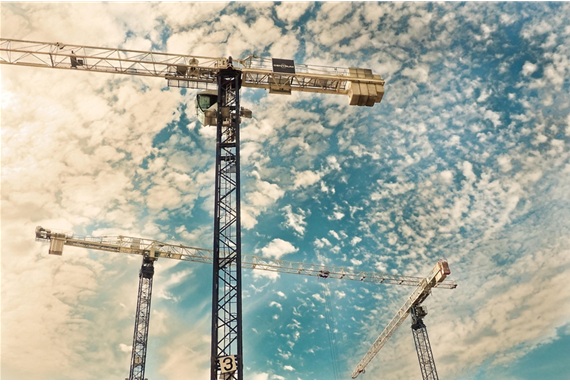
Heavy equipment represents one of the largest capital investments a construction, mining, or logistics business will make, and keeping it in peak condition is essential for safety, productivity, and long-term profitability. From cranes and excavators to forklifts and loaders, a disciplined maintenance program extends machinery lifespan, protects resale value, and reduces the costly downtime that comes with unplanned breakdowns. Partnering with experienced service providers such as Sventek Cranes can make a real difference in keeping lifting equipment performing safely and reliably over its working life.
Below, we go deeper into the maintenance practices that genuinely extend the life of heavy machinery, along with the regulatory and industry standards that shape how Australian businesses should approach them.
Prioritise Preventive Maintenance Over Reactive Repairs
Preventive maintenance is the cornerstone of long-lasting equipment. Rather than waiting for a fault to appear, businesses should run a proactive schedule that includes regular inspections, fluid and filter changes, and component testing at manufacturer-specified intervals. Industry data consistently shows that planned maintenance costs a fraction of emergency repair, largely because catching a worn hydraulic seal or a failing bearing early prevents it from cascading into a full component failure or a safety incident.
A useful starting point is to build a maintenance checklist tailored to each machine’s specific make and model — covering fluid levels, filters, belts, hoses, and wear parts — using the manufacturer’s own service manual as the baseline rather than a generic template, since duty cycles and environments vary significantly between a mine site and a metro construction yard.
Keep Equipment Clean and Properly Lubricated
Dirt, dust, and grime are among the leading causes of premature wear. Regular washdowns keep machinery looking professional, but more importantly they prevent blocked radiators, accelerated corrosion, and overheating. Vents, cooling fins, and moving joints where debris accumulates deserve particular attention, especially on sites with heavy dust or aggregate exposure.
Lubrication is just as critical. Using the correct lubricant for each part — hydraulic fluid, chassis grease, or engine oil — ensures smooth operation and minimises metal-on-metal friction. Over- or under-greasing both cause problems, so following the manufacturer’s specified intervals and lubricant grades matters more than simply “greasing often.”
Conduct Routine and Professional Inspections
Routine inspections are one of the most effective, lowest-cost ways to catch problems early. Operators should be trained to complete a visual pre-start and post-shift check every time — tyres or tracks, fluid levels, lights, alarms, and safety-critical systems such as brakes and hydraulics.
Periodic detailed inspections should go further, with qualified technicians assessing structural integrity, hydraulic systems, and electrical components. This kind of layered inspection regime also supports compliance with Australian work health and safety obligations for plant and mobile equipment, which Safe Work Australia’s plant safety guidance sets out in detail, including duty holders’ obligations to maintain plant so it remains safe for use throughout its working life.
Train and Empower Operators
Operator behaviour has an outsized effect on equipment longevity. Even the most robust machine can suffer from overloading, harsh operation, or simple misuse. Every operator should be properly trained not just in operation but in basic day-to-day maintenance and fault recognition, and encouraged to report unusual noises, leaks, or performance changes immediately rather than “finishing the job first.” A culture where reporting minor issues is rewarded, not seen as a nuisance, is one of the most underrated tools for extending fleet life.
Use Genuine Parts and Qualified Technicians
When replacing components, genuine parts from reputable suppliers or OEM-approved equivalents should be the default. Cut-price aftermarket parts can save money upfront but frequently wear faster or interact poorly with other components, leading to repeat failures. Manufacturer maintenance and service-interval guides — such as those major OEMs like Caterpillar publish for their equipment lines — are a useful reference point for what “proper” servicing looks like on a given machine class. Working with trusted, certified crane and lifting specialists for servicing and repairs also ensures work is completed to the standard required for safety-critical lifting equipment.
Store Equipment Correctly Between Jobs
When machinery is idle, proper storage prevents unnecessary deterioration. Equipment should be sheltered from direct sun, rain, and dust where possible, with protective covers on sensitive components. For extended lay-up periods, running equipment periodically, disconnecting batteries, checking fluids, and applying corrosion-prevention treatments all help avoid the kind of slow degradation that shortens a machine’s effective life even though it was never technically “in use.”
Maintain Accurate Maintenance Records
Comprehensive record-keeping tracks each machine’s service history and highlights recurring issues or wear patterns before they become expensive. Digital maintenance management systems make logging inspections, repairs, and part replacements far easier than paper logs, and accurate records also support WHS compliance obligations and can materially improve resale value by demonstrating a documented history of consistent care.
Final Thoughts
Maintaining heavy equipment well requires diligence, proper training, and a genuinely proactive approach rather than a reactive one. By prioritising preventive maintenance, keeping machinery clean and correctly lubricated, training operators to spot problems early, and partnering with qualified professionals for servicing and repairs, businesses can meaningfully extend the working life of their assets while reducing operational costs. The payoff is straightforward: fewer unplanned breakdowns, a safer worksite, and equipment that continues delivering value for years longer than it otherwise would.