Xi Is in Washington Today. AI Rules Are Quietly One of the Biggest Items on the Table.
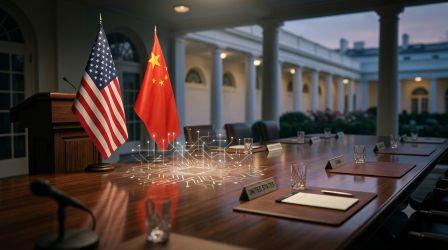
Xi Jinping landed at Joint Base Andrews on Wednesday for a three-day state visit, and Trump personally greeted him and his wife Peng Liyuan on arrival, a rare protocol gesture reserved for arriving foreign leaders. CNN noted the welcome came with real fanfare: Trump had the two leaders and their wives walk down a red carpet together after chatting at the foot of the plane’s steps. The main event, though, happens Thursday at the White House, while world leaders are simultaneously gathered a few miles away for the UN General Assembly. The NationalCNN
The lower-profile story of the week is that Xi’s arrival has already produced one concrete outcome: an extension of the US-China trade truce, buying both sides more time to negotiate the harder issues. Those issues are stacking up. Talks are set to cover trade, tariffs, rare-earth minerals, advanced technology, artificial intelligence, Taiwan, and China’s economic relationship with Iran. INVCINVC
AI is where things get interesting for anyone following the chip export fights of the past year. According to NPR, China has been trying to work out with the US what kind of guardrails or controls could realistically be placed on artificial intelligence, a former NATO official who regularly attends US-China nuclear and tech dialogues told the outlet. She described it as a blend of old-school nuclear-stability diplomacy layered on top of a newer fight over technology. NPR
Rare earths remain the more contentious thread. China controls most of the world’s refining capacity for rare earths and other critical minerals used in everything from phones to weapons systems, and Washington has complained that Beijing hasn’t held up its end of an earlier truce. NPR also reported that an offer from Beijing to extend that truce through the end of Trump’s term in January 2029 fell apart because of mutual distrust between the two sides. NPRNPR
There’s unfinished business from May, too. Trump and Xi had already agreed to set up trade and investment boards, including a reciprocal tariff-reduction framework covering at least $30 billion in products. And Taiwan hasn’t gone away as a sticking point: a former acting deputy chief of mission at the US Embassy in Beijing told NPR that Taiwan is consistently the issue Chinese officials raise most in preparation for these high-level visits. NPRNPR
Not everyone expects fireworks. CNN’s framing of the visit leans skeptical, arguing the scale of the welcome may be overselling what actually gets decided. Trade specifics also remain thin: US officials have said China was making progress on a Boeing aircraft purchase commitment, but no formal new order had been announced as of the summit’s start. INVC
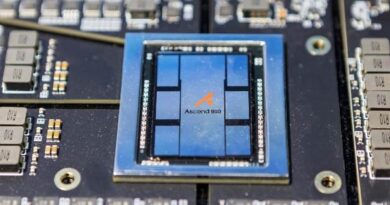
Worth watching once the meeting wraps: whether “AI guardrails” turns into anything more specific than a talking point, since that’s the item with the most direct bearing on chip export rules, Nvidia’s China sales, and the broader tech decoupling debate that’s been building all year.
Sources: NPR (npr.org), CNN (cnn.com), International News and Views (internationalnewsandviews.com), The National (thenationalnews.com)